
Compelled Interviews
Being compelled to answer questions in regulatory and complex criminal investigations
A compelled interview is a formal requirement to attend and answer questions as a witness in a regulatory or criminal investigation. These interviews are not conducted under caution and are not directed at suspects. Instead, they are used by regulators and enforcement bodies to obtain factual evidence from individuals believed to hold relevant information.
You may receive a statutory notice requiring you to attend to answer questions. In most cases, you are legally obliged to answer those questions. Failure to comply can lead to enforcement action, even though you are not accused of any wrongdoing.
Compelled witness interviews frequently arise in complex investigations involving financial services, corporate conduct, competition issues or tax matters. They are often used at an early stage where authorities are seeking to build a factual understanding of events.
What is covered below:
Why Compelled Witness Interviews Are Used
Compelled interviews allow authorities to obtain reliable factual evidence where documentary material alone does not provide a complete picture. They are designed to assist investigators in understanding how events unfolded.
Authorities commonly use compelled witness interviews to:
Establish a timeline of events
Witnesses may be asked to explain when decisions were made, who was involved and what actions were taken. This helps investigators structure the investigation and identify further enquiries.
Understand internal processes and governance
Questions often focus on compliance arrangements, decision-making structures and operational controls within organisations.
Clarify communications between individuals
Investigators may seek explanations of emails, meetings and discussions. Witness evidence helps place documents in context.
Identify further sources of evidence
Information provided frequently leads to additional document requests or further witness interviews.
Although directed at witnesses, these interviews often play a central role in complex criminal and regulatory investigations.
Key Authorities With Compulsion Powers
Financial Conduct Authority (FCA)
The Financial Conduct Authority is the principal regulator for financial services firms, markets and consumer credit in the UK. Its focus is on conduct regulation, market integrity and consumer protection.
The FCA has statutory powers to compel witnesses to attend interviews and answer questions during investigations into financial misconduct, market abuse and regulatory breaches. These powers are commonly exercised against employees, directors, compliance professionals and advisers who hold relevant information.
Compulsion is often used where confidentiality obligations exist, allowing witnesses to provide information without breaching contractual or professional duties.
Competition and Markets Authority (CMA)
The Competition and Markets Authority is the UK’s primary competition regulator. It is responsible for investigating mergers, markets and anti-competitive behaviour, as well as enforcing consumer protection law.
The CMA may compel individuals to answer questions during investigations into cartel activity, anti-competitive arrangements and consumer law breaches. Witnesses are often required to explain pricing decisions, commercial communications and internal discussions.
These interviews commonly involve directors, senior managers and employees with knowledge of relevant conduct.
HM Revenue & Customs (HMRC)
HM Revenue & Customs is the UK’s tax authority responsible for tax compliance and enforcement. HMRC also supervises certain businesses under money laundering regulations. HMRC may compel witnesses to attend interviews and answer questions in tax fraud and economic crime investigations.
These interviews often focus on financial arrangements, business activities and the movement of funds.
Witnesses may include employees, advisers and individuals involved in financial transactions or corporate structures.
Serious Fraud Office (SFO)
The Serious Fraud Office is an independent government department that investigates and prosecutes serious or complex fraud, bribery and corruption. It is not a traditional regulator, but a specialist prosecuting authority working closely with regulators and enforcement bodies.
The SFO has powers to compel witnesses to answer questions as part of its investigations. These interviews are commonly used in large-scale corporate fraud and bribery cases to obtain factual evidence from employees, advisers and third parties.
Because the SFO investigates the most serious and complex cases, compelled interviews often arise in high-value, multi-party investigations.
Witness Interview vs Interview Under Caution
Compelled witness interviews are fundamentally different from suspect interviews.
Compelled witness interview
Directed at individuals providing factual information
Attendance is mandatory
Questions must be answered
No caution is given
Used to gather evidence
Interview under caution
Directed at suspects
Right to silence applies
Conducted voluntarily or after arrest
Answers may be used in evidence
This distinction affects both legal protections and the appropriate strategy.
What Happens During a Compelled Interview
Although procedures vary between authorities, compelled witness interviews typically involve:
Formal notice requiring attendance
You will usually receive written notice specifying the statutory power being used. This confirms that attendance is compulsory.
Requirement to answer questions
Unlike suspect interviews, you are expected to answer questions. Refusal may result in enforcement action.
Recorded questioning
Interviews are typically recorded and transcripts may be produced. These records may later be disclosed during the investigation and used as evidence in any criminal proceedings.
Legal adviser attendance permitted
You are generally entitled to have a legal adviser present. Their role is to ensure questioning remains appropriate and your position is protected.
Even though you are attending as a witness, the process remains formal and should be approached carefully.
How Your Answers May Be Used
Witnesses often assume there is no risk in answering questions. However, answers provided in compelled interviews can still have consequences.
Answers may shape the investigation
Information provided may influence decisions about further enquiries and investigative focus.
Material may be shared between authorities
Regulatory bodies often cooperate, meaning answers may be considered across multiple investigations.
Inconsistencies may be scrutinised
Differences between answers and documentary evidence may be examined later.
Your role may be reassessed
In some circumstances, information arising from the interview may change how investigators view your involvement moving from a witness to a suspect.
Preparation remains important even when attending purely as a witness.
Strategic Considerations Before Attending
Before attending a compelled interview, careful preparation is advisable.
Clarifying your role as a witness
Understanding that you are providing factual information helps avoid speculation and unnecessary commentary.
Reviewing relevant documents
Familiarity with key emails or records helps ensure accuracy and consistency.
Managing confidentiality and privilege
Certain communications may be legally protected and require careful handling.
Preparing structured responses
Clear and concise answers reduce the risk of misunderstanding.
Understanding the scope of questioning
Identifying the focus of the investigation helps maintain proportionate responses.
Early advice can help ensure the process is handled appropriately.
Risks of Attending Without Advice
Witnesses sometimes attend compelled interviews without preparation. This can lead to:
Providing incomplete or inaccurate information > without preparation, witnesses may struggle to recall events accurately
Speculating rather than giving factual answers > guesswork may create confusion and expand questioning
Disclosing privileged material > certain communications may be legally protected
Creating inconsistencies with documents > differences between answers and records may be scrutinised later.
Careful preparation helps ensure clarity and accuracy.
How We Can Help
Compelled witness interviews often arise at a sensitive stage of an investigation. Strategic advice helps ensure your position is protected while cooperating appropriately.
Through a regulated law firm, support may include:
Reviewing the compulsory notice and statutory basis
Clarifying your role as a witness
Preparing for questioning and key issues
Advising on confidentiality and privilege
Attending the interview and protecting your position
Advising on next steps following the interview
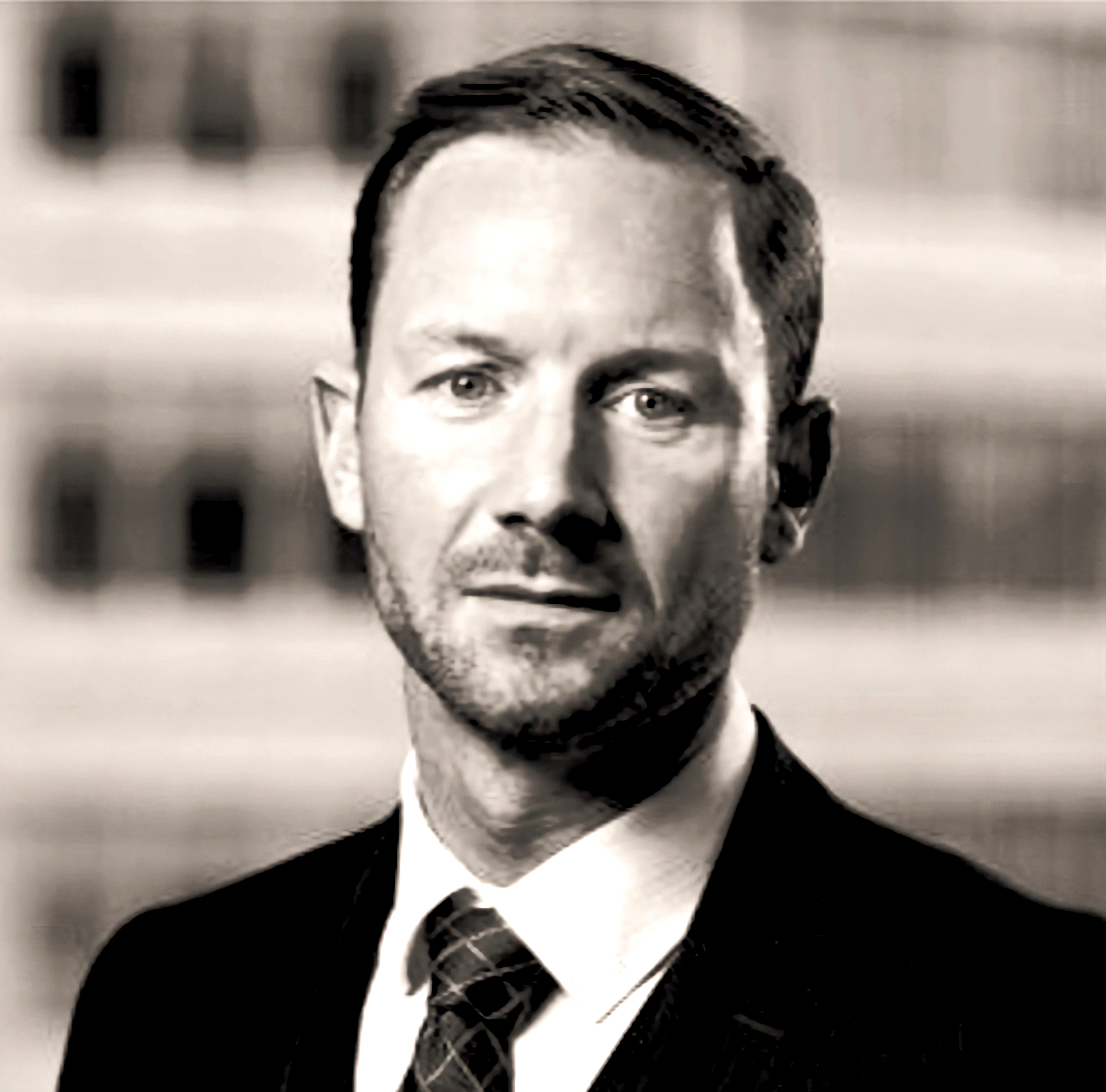
Sam Healey advises individuals and businesses in serious fraud, financial crime and regulatory investigations nationwide. He has written and commented on compelled interview powers and regulatory investigations, including contributions to professional publications. His practice focuses on early-stage strategy, controlled engagement and managing risk during investigative processes.
Frequently Asked Questions
What is a compelled interview?
A compelled interview is a statutory requirement to attend and answer questions as a witness in a regulatory or criminal investigation. Unlike an interview under caution, it is not directed at a suspect and does not involve the right to silence. You are required to provide factual information relevant to the investigation.
Am I suspected of an offence if I am asked to attend?
Not necessarily. Compelled interviews are typically used to obtain evidence from witnesses who may hold relevant information. You may be asked to attend because of your role, involvement in transactions, or knowledge of events, rather than any allegation of wrongdoing.
Do I have to attend a compelled interview?
Yes. Attendance is usually mandatory where a statutory notice has been issued. Failure to attend or refusal to answer questions may result in enforcement action depending on the legislation being used.
Do I have to answer every question?
In most cases you are required to answer questions put to you. However, issues such as legal privilege and the scope of the statutory power may affect how questions should be handled. This is why preparation and legal advice are important.
Can I have a solicitor present?
Yes. You are generally entitled to have a legal adviser present during a compelled interview. Their role is to ensure questioning is appropriate, protect your position and help manage issues such as confidentiality and privilege.
Can my answers be used against me?
Although compelled interviews are directed at witnesses, answers may still influence the investigation. Information provided may lead to further enquiries, additional evidence gathering or reassessment of individuals involved. Careful preparation helps manage this risk.
What is the difference between a compelled interview and an interview under caution?
A compelled interview is directed at witnesses and requires answers to questions. An interview under caution is directed at suspects and involves the right to silence. The legal framework and strategic approach are therefore different.
What happens after a compelled interview?
Following the interview, investigators will review the information provided and decide whether further enquiries are required. This may include additional witness interviews, document requests or other investigative steps.
Should I obtain legal advice before attending?
Yes. Even though you are attending as a witness, preparation helps ensure your answers are accurate, proportionate and consistent with documentation. Early advice can help avoid misunderstandings or unnecessary risk.
What should I do if I receive a notice to attend?
You should seek advice promptly. The statutory notice, scope of questioning and your role within the investigation should be reviewed before attending.
Speak in Confidence
If you have received a notice requiring you to attend a compelled interview, early advice can help ensure the process is handled carefully and proportionately.
For a confidential discussion:
Call: 0330 133 2230
Email: samhealey@sphlegal.co.uk
Or use the Request a Confidential Discussion form
SPH Legal operates as a specialist legal consultancy. Where regulated legal services are required, clients are represented by Sam Healey through a regulated law firm. This article is anonymised and illustrative, it does not constitute legal advice, and does not suggest that similar outcomes will be achieved in other matters.
